
Spring is a complicated season in mid-Michigan. You get a few warm days, the snow starts melting, the ground is saturated, and then it snows again. By the time it actually stays above freezing consistently, your roof has been through months of ice, snow, freeze-thaw cycles, and wind.
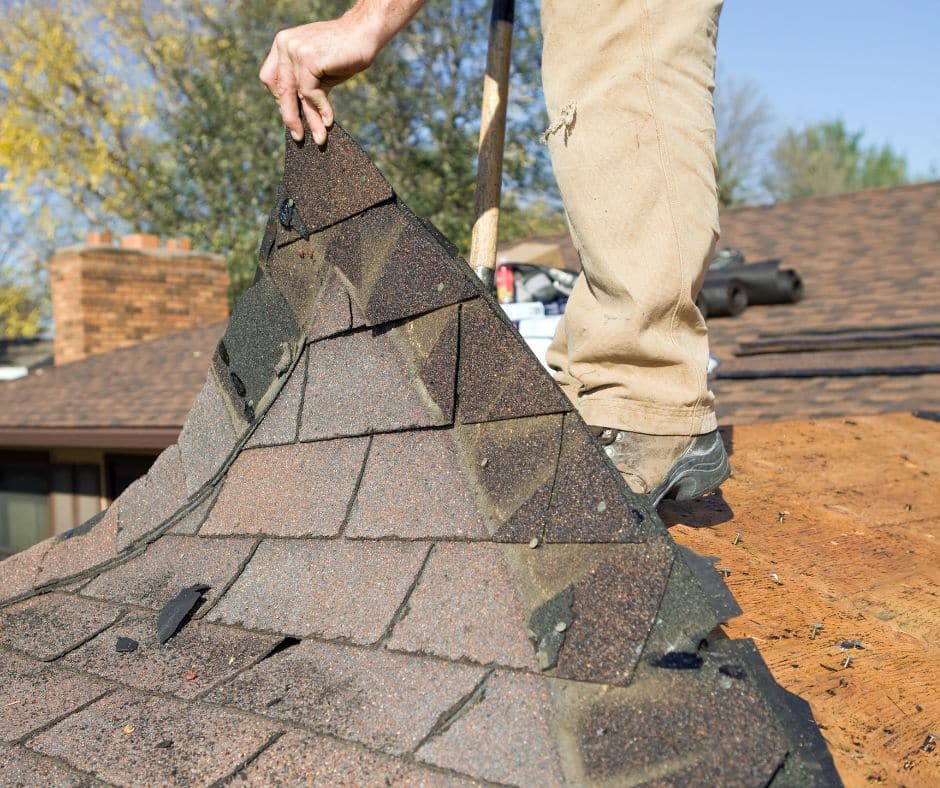
That’s why spring is one of the most important times to have your roof inspected. Not because spring itself causes damage, but because winter leaves its mark and spring is when that damage becomes visible — and when it can be addressed before the summer storm season adds anything on top of it.
What Winter Does to Your Roof
The freeze-thaw cycle is hard on roofing materials. As temperatures fluctuate, shingles expand and contract. Flashing, the metal pieces around chimneys, vents, skylights, and roof penetrations, moves slightly with each cycle and can work loose over time. Caulk and sealant dry out and crack.
Ice dams, if you had them, may have forced water up under shingles that looked fine from the outside but absorbed moisture into the decking and underlayment. This kind of damage is often invisible until it causes significant rot or mold growth in the attic.
And if you had any significant wind events over the winter, which Lansing certainly did, there may be shingles that were partially lifted or seals that were broken.
What to Look For in a Spring Inspection
A thorough spring inspection should cover the full roof surface (checking for damaged, missing, or improperly sealed shingles), all flashing points, gutters and downspouts, ridge caps, soffits and fascia, and any visible portions of the roof deck. Attic inspection is also valuable — looking for moisture staining, mold, or daylight penetration.
If you had any interior water stains appear over the winter, trace them as far back toward the roof as you can. The point where you see staining on the ceiling often isn’t directly below where the water entered — it may travel along rafters or the roof deck before dripping down, so the actual entry point could be several feet away.
Prioritizing Repairs
Not everything a spring inspection turns up will be equally urgent. A roofer should help you understand the severity of what they find and prioritize accordingly.
Active leaks or areas where water infiltration is occurring need immediate attention. Flashing that’s loose or improperly sealed should be addressed before summer storms arrive. Shingles that are aging but not yet actively failing can be monitored — but knowing what you’re looking at helps you plan.
If your roof is approaching or past 20 years old and the inspection turns up significant granule loss, widespread shingle damage, or flashing that’s been repaired multiple times, a replacement estimate is worth having. Roofing work done in spring has the full summer ahead for scheduling flexibility, and you’ll have the roof buttoned up before fall.
Spring Is a Good Time to Address Gutters, Too
After a winter of ice cycles, gutters often need attention. Check for any sections that shifted, developed leaks, or are pulling away from the fascia. If you had ice dams, the weight and movement of ice may have damaged gutter sections.
Downspout extensions should be checked to make sure they’re directing water far enough away from the foundation as the spring rain season begins.
Ready to schedule your free roof inspection? Call or text Capital Roofing at (517) 896-5872 or visit capitalroofingpro.com. Serving Lansing, East Lansing, Grand Ledge, St. Johns, Okemos, and communities across Greater Lansing.