
It’s never a good time to discover a roofing emergency, but discovering one in January in Michigan adds a layer of urgency that summer problems don’t have. A leak that’s manageable in September becomes a much bigger deal when the temperature drops below freezing and the damaged area is under several inches of snow.
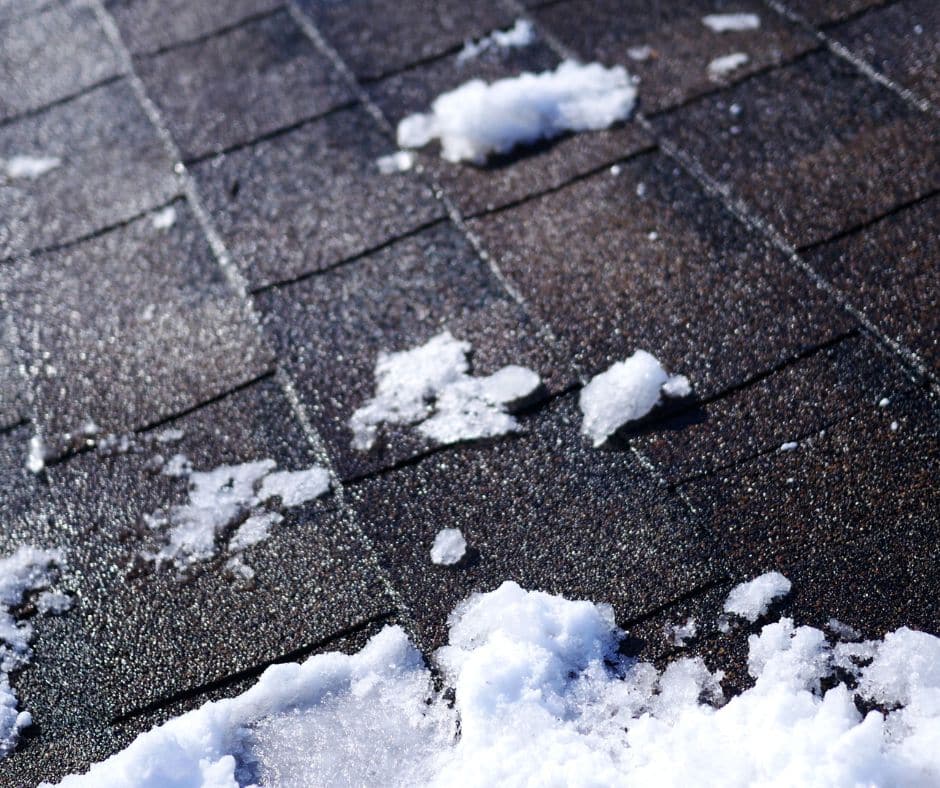
Here’s how to handle it.
First: Address the Interior Damage
Before you worry about what’s happening on the roof, deal with what’s happening inside. If water is actively coming in, contain it — buckets, towels, plastic sheeting on floors and furniture. Move valuable items out of the affected area.
If water is running near electrical fixtures, outlets, or the electrical panel, treat it as a potential safety hazard and consider turning off the circuit. If you have any doubts, call an electrician and a roofer.
Document everything with photos before you start cleaning up. If this ends up being an insurance claim, that documentation matters.
Temporary Protection
A professional roofing contractor responding to an emergency can install a temporary tarp or other protective covering over the damaged area to stop water intrusion until permanent repairs can be made. This is often the right move in winter when conditions don’t allow for a proper repair to be done safely and correctly on the same day.
Don’t attempt to get on your own roof in winter conditions to place a tarp. It’s not worth the risk. A roofing company that handles emergency calls has the equipment and experience to work safely in those conditions.
What Constitutes a True Roofing Emergency
Not every roofing problem is an emergency, even in winter. A slow drip that’s been there for a while is concerning but probably doesn’t require a same-day response. A significant leak following a storm, a section of roof that’s visibly failed, or structural damage from a fallen tree limb, those are legitimate emergencies.
Capital Roofing offers 24/7 emergency service across Greater Lansing for exactly these situations. When you call, describe what you’re seeing as specifically as you can, where in the house, how much water, and whether you can see damage from outside. That helps us respond with the right resources.
The Insurance Process for Emergency Repairs
Emergency repairs covered by homeowners’ insurance are generally reimbursable, but there are a couple of things that speed up the process. First, contact your insurance company promptly — most policies require you to report damage within a reasonable time. Second, keep receipts for any emergency materials (tarps, etc.) and any temporary repair work that was done, even if it was just protective covering.
A roofing contractor with insurance experience can help document the damage properly and work with your adjuster to make sure the full scope of damage is assessed.
Preventing the Emergency in the First Place
We’ll say it again: the best time to address a vulnerable roof in Michigan is before winter. A fall inspection catches the things that become emergencies in January. If your roof is more than 15 years old or has had any previous repairs, getting it looked at before the snow season starts is money well spent.
Ready to schedule your free roof inspection? Call or text Capital Roofing at (517) 896-5872 or visit capitalroofingpro.com. Serving Lansing, East Lansing, Grand Ledge, St. Johns, Okemos, and communities across Greater Lansing.