
Most winters in Greater Lansing, snow load on residential roofs isn’t something homeowners need to worry about much. But in heavy snow years, especially when you get a wet, heavy snowfall on top of existing accumulation, it can become a legitimate structural concern.
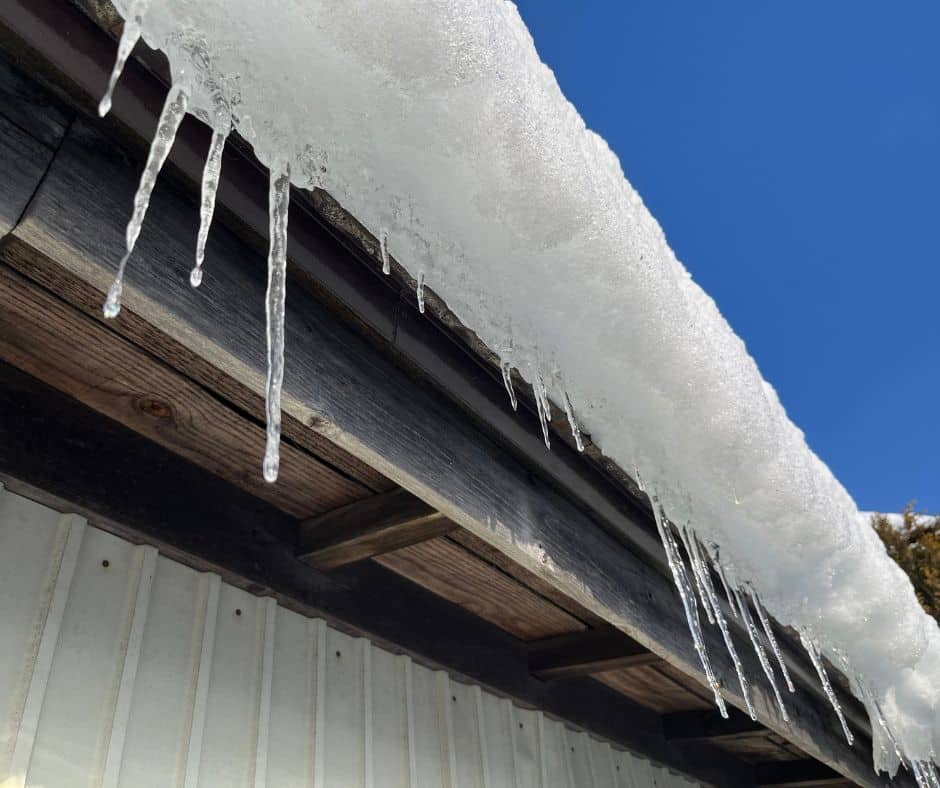
Here’s how to think about it.
Understanding Snow Load Basics
Structural engineers and building codes think about snow load in terms of pounds per square foot. Fresh, dry snow weighs relatively little — around five pounds per cubic foot in ideal conditions. Wet, dense snow or refrozen snow/ice is a different story, often weighing three to five times as much.
Residential roofs in Michigan are designed to handle specific snow loads based on the region’s historical weather patterns. The International Residential Code and Michigan’s own building codes establish these minimums, so a properly designed and constructed home in Lansing should handle a typical Michigan winter without issue.
Where it gets complicated: older homes built before modern load standards, homes with additions or modifications that altered structural dynamics, homes with known issues such as rot in the rafters, or genuinely exceptional weather events.
Signs That Your Roof May Be Stressed
Some warning signs are subtle; others are harder to miss. If you’re inside your home during or after a heavy snowfall, pay attention to:
Creaking or cracking sounds from the ceiling or roof structure, some settling sounds are normal, but sustained or unusual sounds after significant snow accumulation are worth taking seriously.
Doors or windows that suddenly become difficult to open or close may indicate frame deflection due to structural stress.
Visible sagging in ceilings or along the roofline, which is a clear sign of a problem that needs immediate attention.
If you observe any of these, don’t wait. This is the kind of situation where calling a professional on the same day is the right call.
When to Remove Snow from Your Roof
For most Lansing homeowners with standard-pitch residential roofs, snow removal isn’t necessary or recommended. Getting on an icy roof in winter is genuinely dangerous, and the risk of injury or shingle damage is often higher than the structural risk posed by the snow itself.
If you have a low-slope or flat roof section (like a garage or addition), that’s a different situation. Flat roofs accumulate snow without the benefit of gravity shedding, and they have lower load tolerances than steep-pitched roofs. Those are worth monitoring.
A roof rake, the long-handled tool for pulling snow off eaves from the ground, is a safer option for addressing snow near the edge of the roof without getting up on it. Focus on the lower few feet of the roof near the eaves, which is where ice dams form and where the load tends to be heaviest relative to structural support.
What a Roof Inspection After a Hard Winter Tells You
Even if your roof makes it through winter without visible issues, a post-winter inspection is a smart move. Heavy snow loads and ice cycles stress the components of your roof in ways that may not be immediately visible, such as decking that’s absorbed moisture, flashing that’s shifted, and shingles that took ice damage along the eaves.
Spring is one of our busiest inspection seasons for exactly this reason.
Ready to schedule your free roof inspection? Call or text Capital Roofing at (517) 896-5872 or visit capitalroofingpro.com. Serving Lansing, East Lansing, Grand Ledge, St. Johns, Okemos, and communities across Greater Lansing.