
Greater Lansing gets its share of serious summer storms. Severe thunderstorm warnings, dime-to-golf-ball hail, and wind gusts that snap tree limbs are a regular part of mid-Michigan summers. And every time one rolls through, a certain number of homeowners are left wondering whether their roof made it through okay.
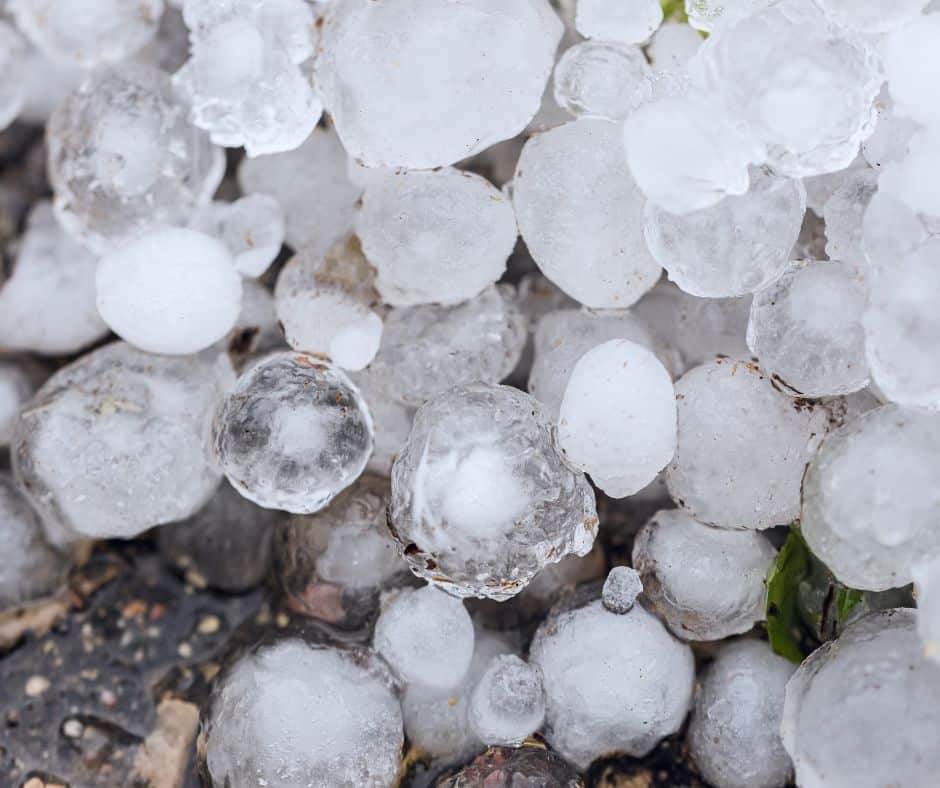
Here is a clear, step-by-step breakdown of what to do in the hours and days after a major storm, and what not to do.
Step 1: Stay Safe First
After a storm with significant wind, do a quick walk around your property from the ground before anything else. Look for downed power lines, structural damage to the house, or anything that looks unstable. If a large tree limb or tree has made contact with your roof, keep your distance until you know it is stable.
Do not get on your roof immediately after a storm. Wet shingles and debris-covered surfaces are slippery, and the adrenaline of storm aftermath is not a great state for working at height. A ground-level visual inspection is sufficient for your initial assessment.
Step 2: Document What You Can See from the Ground
Pull out your phone and photograph everything you can observe. Missing shingles visible from the driveway, damaged fascia or soffit, gutters that have pulled away from the roofline, and debris impact points on the siding. Also, photograph any damage to soft metal surfaces on your property, aluminum AC condenser fins, porch railings, metal gutters, because these are strong indicators of hail impact that may not be visible on the shingles from the ground.
Note the date, time, and approximate storm details. Weather records are available and can corroborate your claim, but having your own documentation helps.
Step 3: Check Inside Your Home
Go through every room and look at the ceilings, especially in upper-floor rooms and any areas below roof penetrations like skylights or chimneys. Water staining, bubbling paint, or damp drywall are signs of active infiltration. Also, check your attic if you can access it safely — look for daylight penetration, water drips, or wet insulation.
If you find active leaks, contain the water damage as best you can and document it. Move valuables, use buckets, and lay down plastic sheeting. These photos and videos of interior damage matter when you file an insurance claim.
Step 4: Call a Local Roofing Contractor Before Your Insurance Company
This one surprises some people, but it is the right sequence. Having an independent professional assessment of the damage gives you an informed starting point before you talk to your adjuster. A good roofer can tell you what they found, what caused it, and what it will cost to repair, information that helps you understand whether filing a claim makes sense and what to expect from the process.
Be cautious of storm chasers, contractors who appear in your neighborhood immediately after a significant weather event, often from out of state, pushing you to sign something quickly. They tend to disappear when warranty issues arise. Work with a contractor who has a local address, a local phone number, and a track record in the community.
Step 5: Understand Your Insurance Timeline
Most homeowners’ insurance policies have a window — often one year from the date of the storm event — within which damage must be reported. Do not assume that because the roof is not actively leaking, you have unlimited time. Hail damage in particular can sit invisibly for months before it starts causing problems, and the insurance clock starts at the storm date, not when you notice the leak.
Capital Roofing works with homeowners through the insurance process regularly. We can help you understand what the adjuster will be looking for and make sure the full scope of damage is documented properly.
What Happens If You Wait Too Long
Storm damage that goes unaddressed tends to compound. A compromised shingle seal becomes a leak. A small leak becomes damaged decking. Damaged decking becomes a mold problem in the attic. What might have been a straightforward insurance-covered repair becomes a much larger project that may involve both the roof and interior remediation.
If you had a significant storm and have not had your roof looked at, the cost of a free inspection is zero. The cost of finding out too late is considerably higher.
Ready to schedule your free roof inspection? Call or text Capital Roofing at (517) 896-5872 or visit capitalroofingpro.com. Serving Lansing, East Lansing, Grand Ledge, St. Johns, Okemos, and communities across Greater Lansing.